AI-Powered Energy Optimization
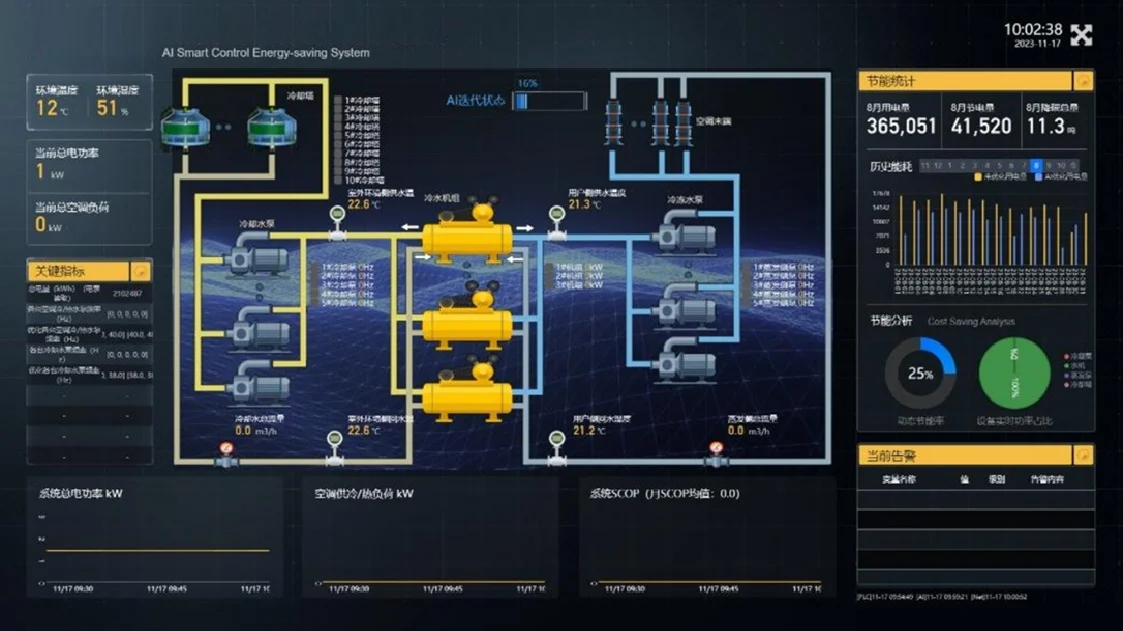
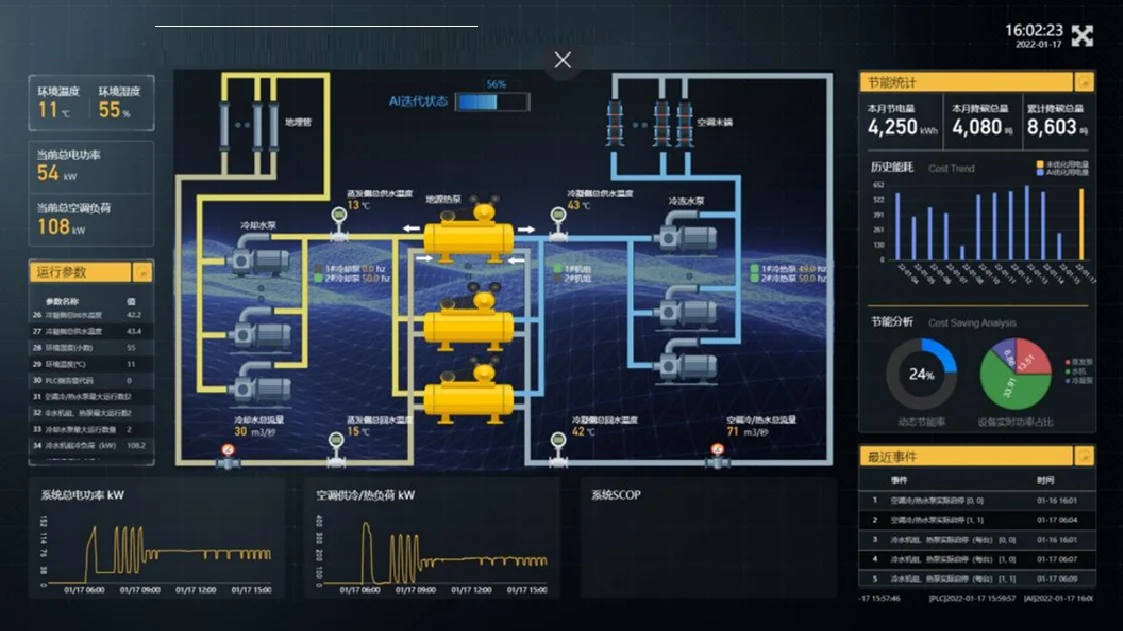
The heart of smart buildings lies in their ability to harness AI for energy optimization. Here’s how it works:
- Data Collection
Sensors throughout the building collect a wealth of data, from temperature and humidity to occupancy patterns and energy consumption. - Data Processing
AI algorithms process the data to gain insights into building operations. For instance, they can identify areas where energy is being wasted or where adjustments can be made to improve comfort. - Real-time Adjustments
Based on the insights gained, smart building systems can make real-time adjustments to HVAC (heating, ventilation, and air conditioning) systems, lighting, and other building functions. For example, they can automatically adjust the temperature or lighting levels in unoccupied rooms to save energy. - Predictive Maintenance
AI can also predict when equipment might fail and schedule maintenance proactively, reducing downtime and improving energy efficiency.
Benefits, Challenges and Future Trends
The benefits of AI-powered energy efficiency in smart buildings include:
- Cost Savings: Reduced energy consumption translates to lower utility bills and operational costs.
- Enhanced Comfort: Smart systems can create a more comfortable and productive environment for occupants.
- Environmental Impact: Lower energy consumption means reduced carbon emissions and a smaller environmental footprint.
While the potential of AI-driven energy optimization in smart buildings is immense, there are challenges to overcome. These include concerns about data privacy, cybersecurity, and the initial cost of implementing smart building systems.
As AI technology continues to advance, we can expect even more sophisticated algorithms and systems that can adapt to changing conditions and integrate with renewable energy sources. The integration of smart buildings into smart grids could also pave the way for a more efficient and sustainable energy ecosystem.